|
Published:
November 24, 2025

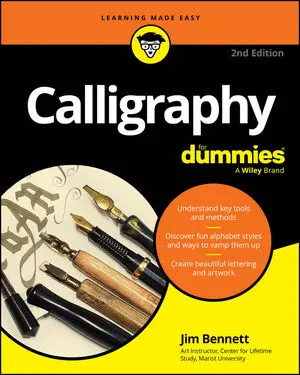
Calligraphy For Dummies

Overview

A fun introduction to the art of calligraphy—plus how-tos and practice exercises

Calligraphy For Dummies, 2nd Edition is an approachable place to start for anyone interested in lettering with flair. This book provides helpful tips and tricks for learning this expressive artform, including choosing your pen and paper, taking care of your materials, understanding foundational concepts, and putting your own spin on classic alphabet styles. Once you've gotten the basics down, this book also helps spark interesting project ideas, including ways you can elevate letters, invitations, posters, and beyond. With plenty of practice opportunities and guidance, this easy-to-use resource will have you dotting your i's and crossing your t's—the fancy way.

Inside:

  • Learn classic calligraphy lettering and techniques, as well as digital calligraphy
  • Discover the world of ink, pens, and paper, and choose the best materials for your project
  • Add your own artistic touch to alphabet styles
  • Add beautiful lettering to your other art and craft projects

Pick up an exciting new hobby or brush up, with Calligraphy For Dummies, 2nd Edition.

Read More

About The Author

Jim Bennett is an accomplished calligrapher and former portrait artist with over forty years’ experience as an award-winning teacher. He is the author of the first edition of Calligraphy For Dummies and the creator of the website, mathsquad.com, which uses art projects to teach students middle school math.

Sample Chapters

calligraphy for dummies

CHEAT SHEET

Calligraphy, the art of beautiful lettering, comes in many forms and styles. When writing in calligraphy, you can use the delicate curlicues of Copperplate, as Regency ladies did, or choose the more forceful and just as intricate Blackletter style. You can even choose a plain, Roman style — or something in between.

HAVE THIS BOOK?

Articles from
the book

Calligraphy, the art of beautiful lettering, comes in many forms and styles. When writing in calligraphy, you can use the delicate curlicues of Copperplate, as Regency ladies did, or choose the more forceful and just as intricate Blackletter style. You can even choose a plain, Roman style — or something in between.
After you've assembled your pen, but before you begin doing calligraphy, you must get the pen to write. A unique problem for fountain pens, you will likely encounter some ink-flow issues when writing, especially when using a new cartridge or pen. If you are using a cartridge pen, it's entirely normal for the pen to refuse to write immediately.
The pens you use to make beautiful calligraphy aren't at all complicated. Their basic design is simple, efficient, and centuries old. A good pen delivers the ink in an even flow and should make it easy for you to create strokes. The pen should glide smoothly on the surface of the paper. This list should help get you better acquainted with your calligraphy pens: Nib: This is the part of the pen that everyone else refers to as the pen point.
Calligraphy is beautiful, artistic handwriting, but that handwriting can be artistic and beautiful in a variety of different ways. Calligraphy can be ornate or bold, delicate or forceful. The following samples offer a glimpse of the varieties available. Italic or Chancery: Blackletter: Roman: Bookhand or Foun
Markers are great when time, not quality, is a consideration in your calligraphic work. You wouldn't want to use a marker to letter a certificate, but a marker would be perfect for small tasks such as writing a note to a friend or co-worker or posting a reminder to yourself or for family members. Markers are also excellent for children.
https://cdn.prod.website-files.com/6630d85d73068bc09c7c436c/69195ee32d5c606051d9f433_4.%20All%20For%20You.mp3

Frequently Asked Questions

No items found.